In addition, they might offer protection of threats which is neither readily available nor used in the conventional insurance coverage market at sensible prices. The kinds of danger that a slave can underwrite for their parents consist of home damage, public and item liability, professional indemnity, worker advantages, employers' liability, motor and medical help costs. The captive's exposure to such threats may be limited by the usage of reinsurance. Slaves are ending up being an increasingly essential component of the danger management and run the risk of financing strategy of their parent. This can be understood against the following background: Heavy and increasing premium expenses in almost every line of coverage Troubles in insuring specific kinds of fortuitous danger Differential protection requirements in various parts of the world Ranking structures which reflect market trends instead of individual loss experience Inadequate credit for deductibles or loss control efforts Other possible kinds for an insurance provider include reciprocals, in which policyholders reciprocate in sharing dangers, and Lloyd's organizations. 3rd party administrators are companies that carry out underwriting and in some cases declares handling services for insurance provider. These companies often have unique proficiency that the insurance coverage companies do not have. The financial stability and strength of an insurance provider need to be a significant factor to consider when buying an insurance coverage agreement. An insurance premium paid presently provides coverage for losses that may occur several years in the future. For that reason, the practicality of the insurance carrier is really essential. In current years, a variety of insurance provider have actually become insolvent, leaving their policyholders without any protection (or coverage just from a government-backed insurance coverage swimming pool or other arrangement with less appealing payments for losses).
Insurance provider are ranked by Get more info different firms such as A. M. Finest. The ratings consist of the company's monetary strength, which measures its ability to pay claims. It also rates financial instruments issued by the insurance provider, such as bonds, notes, and securitization products. Life insurance premiums composed in 2005 Non-life insurance premiums composed in 2005 Global insurance coverage premiums grew by 2. How much life insurance do i need. 7% in inflation-adjusted terms in 2010 to $4. 3 trillion, climbing up above pre-crisis levels. The go back to development and record premiums created during the year followed two years of decline in real terms. Life Home page insurance coverage premiums increased by 3.
1%. While industrialised countries saw a boost in premiums of around 1. 4%, insurance markets in emerging economies saw quick growth with 11% development in premium earnings. The worldwide insurance coverage market was adequately capitalised to endure the monetary crisis of 2008 and 2009 and most insurance provider restored their capital to pre-crisis levels by the end of 2010. With the continuation of the gradual recovery of the global economy, it is most likely the insurance industry will continue to see development in superior earnings both in industrialised nations and emerging markets in 2011. Advanced economies represent the bulk of international insurance coverage.
What Health Insurance Should I Get Things To Know Before You Buy
62 trillion, Europe was the most crucial area in 2010, followed by North America $1. 41 trillion and Asia $1. 16 trillion. Europe has nevertheless seen a decrease in superior earnings during the year in contrast to the development seen in The United States and Canada and Asia. The leading four countries created more than a half of premiums. Who owns progressive insurance. The United States and Japan alone accounted for 40% of world insurance coverage, much higher than their 7% share of the international population. Emerging economies represented over 85% of the world's population however just around 15% of premiums. Their markets are however growing at a quicker pace.
According to Sam Radwan of ENHANCE International LLC, low premium penetration (insurance coverage premium as a % of GDP), an aging population and the largest car market in terms of brand-new sales, premium growth has actually averaged 1520% in the past 5 years, and China is anticipated to be the largest insurance market in the next years or 2. In the United States, insurance is controlled by the states under the Mc, Carran-Ferguson Act, with "periodic propositions for federal intervention", and a nonprofit coalition of state insurance coverage agencies called the National Association of Insurance Coverage Commissioners works to harmonize the nation's various laws and guidelines. How much does health insurance cost.
In the European Union, the Third Non-Life Directive and the Third Life Directive, both passed in 1992 and effective 1994, created a single insurance market in Europe and allowed insurer to use insurance throughout the EU (based on permission from authority in the head office) and allowed insurance coverage consumers to buy insurance from any insurance provider in the EU. As far as insurance in the United Kingdom, the Financial Solutions Authority took control of insurance coverage regulation from the General Insurance Standards Council in 2005; laws passed consist of the Insurer Act 1973 and another in 1982, and reforms to guarantee and other aspects under discussion as of 2012.
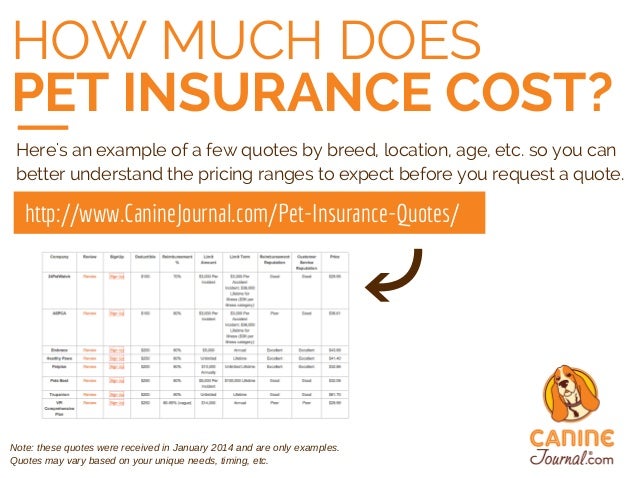
About How Much Is Home Insurance
In 1978, market reforms led to a boost in the market and by 1995 a comprehensive Insurance coverage Law of individuals's Republic of China was passed, followed in 1998 by the formation of China Insurance Coverage Regulatory Commission (CIRC), which has broad regulative authority over the insurance coverage market of China. In India IRDA is insurance regulatory authority. Based on the area 4 of IRDA Act 1999, Insurance Regulatory and Advancement Authority (IRDA), which was constituted by an act of parliament. National Insurance Academy, Pune is peak insurance coverage capacity home builder institute promoted with support from Ministry of Financing and by LIC, Life & General Insurer.
Insurance is just a risk transfer system wherein the financial concern which might develop due to some fortuitous event is transferred to a larger entity called an Insurance provider by way of paying premiums. This only reduces the financial burden and not the actual opportunities of happening of an event. Insurance coverage is a threat for both the insurance provider and the guaranteed. The insurance provider understands the risk involved and will perform a danger evaluation when composing the policy. As an outcome, the premiums may increase if they figure out that the policyholder will sue. However, premiums might lower if the insurance policy holder devotes to a danger management program as recommended by the insurance company.